
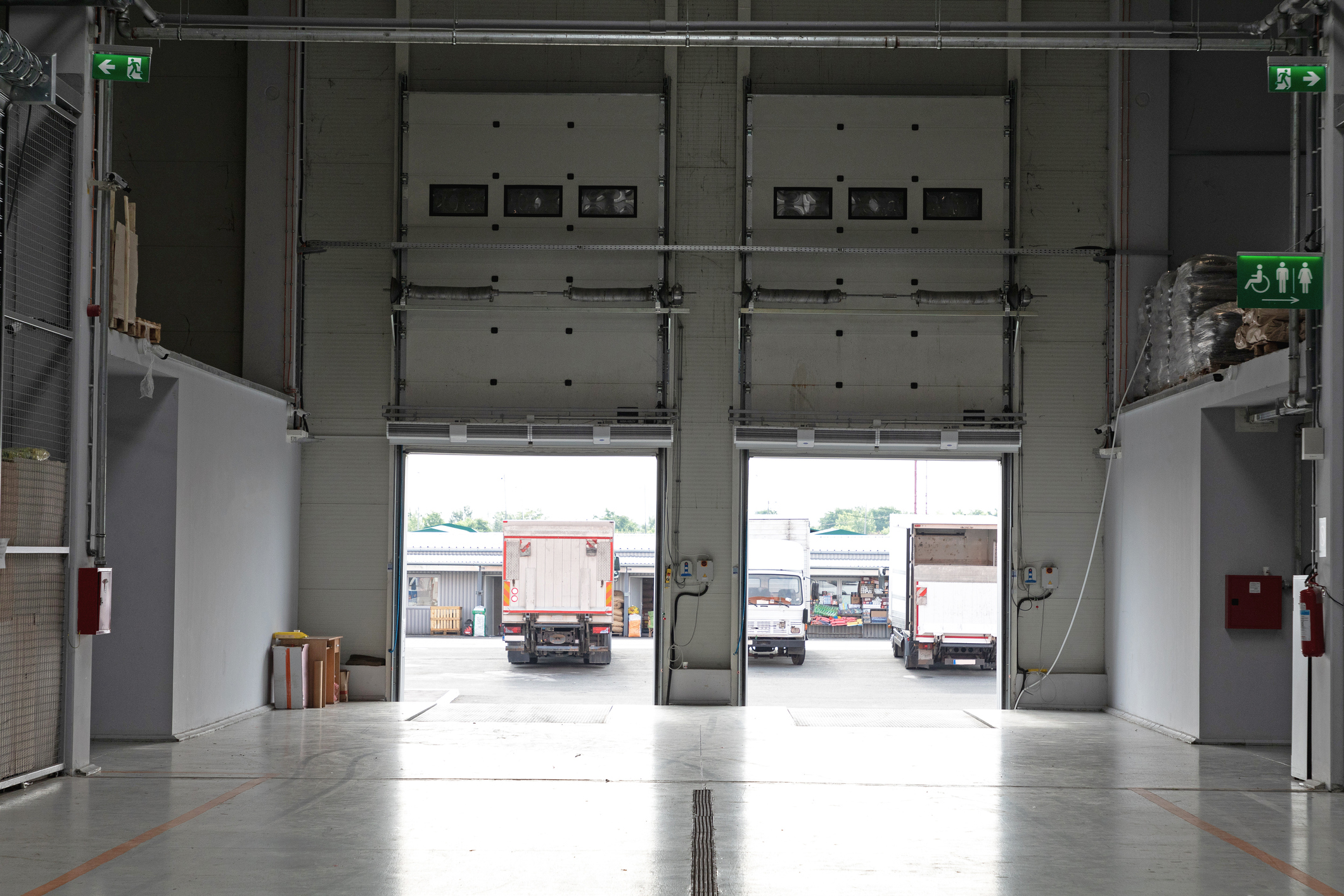
One of the most overlooked risk points in freight movement is not on the highway.
It is the cross-dock you cannot audit.
Freight is increasingly moving through facilities that leave little to no verifiable record that a transload ever occurred. No dock logs. No gate records. No inventory scans. Sometimes not even an address that operates during normal business hours.
These are not traditional theft events. There is no forced entry and no dramatic moment that triggers suspicion. Instead, the freight disappears into an informal process layer where verification breaks down. Accountability becomes unclear, and recovery becomes nearly impossible.
A transfer point with no record
In many legitimate operations, freight may arrive on a dedicated trailer, and the seal is broken to consolidate freight. That is common in LTL networks and routine cross-dock moves. It is not suspicious on its own.
The difference is what happens after the seal is cut.
Once freight is unsealed in an informal transload environment, accountability quietly disappears. Product can be reworked, split, or redirected without any meaningful paper trail tying it back to the original shipment. From the outside, it looks like a normal move. From a risk perspective, it is a gap that can be exploited quickly.
If the transload point cannot be audited, the freight is effectively entering a black box.
Informal operations create formal losses
Some of the highest risk transload points are not warehouses in the traditional sense. They are informal facilities operating outside standard controls.
In some cases, these arrangements are coordinated entirely over the phone. Payment is cash or peer to peer. Documentation is minimal or nonexistent. There is no reliable chain of custody that shows who received the freight, who handled it, where it was staged, or where it went next.
“Carriers that agree to questionable blind shipment instructions, cross dock diversions, street level transloads, or last-minute address changes may not be who you consider part of the problem,” said Christopher Allen, a freight fraud investigator and insurance specialist at The Bannon Report. “But they are absolutely not helping minimize it.”
This is where cargo theft becomes quiet.
Not because the freight is less valuable, but because the process looks ordinary enough to avoid scrutiny. These environments do not need to break into freight. They simply need to receive it.
This is not about legitimate cross-docks
Many cross-dock operations run tight, auditable processes. They maintain:
- clear check in and check out logs
- verified facility personnel
- timestamped inventory scans
- documented carrier handoffs
- financial records that match the movement
That is what legitimate transload operations look like.
The risk comes from informal transload points that operate outside normal oversight. If freight can be diverted to a location with no documented check-in, no documented release, and no verified chain of custody, you are relying on trust where verification should exist.
Trust is not a control
If you cannot answer these questions, you do not have control of the move:
- Where did the freight actually touch the ground?
- Who had physical access to it?
- What is the facility record of arrival and departure?
- Is there a time stamped inventory log?
- Is there a financial trail tied to the handling?
Accountability does not disappear all at once. It fades. The shipment becomes harder to trace. The story becomes easier to explain. Then the freight is already gone.
Cargo theft does not always happen through force.
It happens through gaps.
If a transload cannot be audited, it cannot be trusted.
By Phillip Brink, CEO of The Bannon Report